Improving Bladder Control With Pelvic Floor Pilates Techniques
Bladder control issues, ranging from minor leaks during a sneeze to an overwhelming sense of urgency, affect millions of people worldwide. While often discussed in hushed tones, urinary incontinence is a functional health challenge that significantly impacts quality of life, exercise habits, and social confidence. Fortunately, the evolution of rehabilitative exercise has brought forward a powerful synergy: pelvic floor pilates. By combining the core-strengthening principles of Joseph Pilates with modern clinical insights into pelvic health, individuals can reclaim control over their bodies.
In this comprehensive guide, we will explore how targeted movement can transform your bladder health and why seeking professional guidance through Pelvic Floor Physiotherapy Edmonton is the essential first step in your recovery journey.
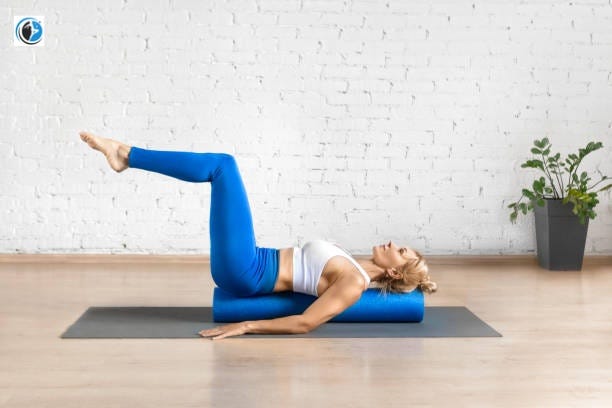
The Anatomy of Control: Why the Pelvic Floor Matters
Before diving into the exercises, it is vital to understand the “powerhouse” of the body. The pelvic floor is a complex layer of muscles and connective tissues that stretch like a supportive hammock from the pubic bone to the tailbone. These muscles have several critical roles:
- Support: They hold the pelvic organs (bladder, uterus/prostate, and bowel) in their proper place.
- Sphincteric: They wrap around the urethral and anal openings to maintain closure.
- Stability: They work in tandem with the deep abdominals and back muscles to stabilize the spine.
When these muscles become too weak (hypotonic) or too tight and unable to relax (hypertonic), bladder control suffers. This is where pelvic floor pilates offers a unique advantage. Unlike traditional “gym” workouts that might focus on external aesthetics, Pilates emphasizes internal awareness and the coordination of breath with deep muscle activation.
What is Pelvic Floor Pilates?
Standard Pilates is already famous for its focus on the “core.” However, pelvic floor pilates takes this a step further by specifically isolating and integrating the levator ani group into every movement. It isn’t just about doing “Kegels” while lying on a mat; it is about functional movement that mimics real-life demands.
The primary goal of pelvic floor pilates is to teach the brain and the body how to engage the pelvic floor automatically during activities like lifting, reaching, or jumping. This “pre-setting” of the muscles prevents the intra-abdominal pressure from forcing urine out of the bladder.
The Connection to Professional Care
While home exercise is beneficial, many people perform pelvic floor contractions incorrectly often bearing down instead of lifting up. This can actually worsen incontinence. Therefore, it is highly recommended to consult with specialists at a clinic offering Pelvic Floor Physiotherapy Edmonton. A physiotherapist can use real-time ultrasound or manual assessment to ensure you are engaging the correct muscles before you progress into a full Pilates flow.
Core Techniques to Improve Bladder Control
If you are ready to incorporate pelvic floor pilates into your routine, focus on these foundational pillars:
1. The Lateral Thoracic Breath
In Pilates, we breathe into the sides and back of the ribcage rather than just the belly. As you inhale, the pelvic floor naturally drops and relaxes. As you exhale, the pelvic floor lifts. Mastering this “piston” relationship between the diaphragm and the pelvic floor is the secret to managing bladder pressure.
2. The Pelvic Tilt (Neutral Spine)
Finding a neutral pelvis is essential. Many bladder issues are exacerbated by a “tucked” or “arched” lower back, which puts uneven pressure on the bladder. Pilates teaches you to find the “sweet spot” where your pelvic floor can function at its optimal length.
3. Progressive Loading
Once you can breathe and find neutral, you introduce movement. Exercises like “The Bridge” or “Side-Lying Leg Lifts” challenge the pelvic floor to remain stable while the limbs are moving. This is the essence of pelvic floor pilates: maintaining internal closure while the rest of the body is active.
The Benefits of a Multidisciplinary Approach
Managing incontinence is rarely a “one size fits all” situation. While exercise is a pillar of health, it works best when paired with clinical expertise. By visiting a center for Pelvic Floor Physiotherapy Edmonton, patients receive a bio-psycho-social assessment.
Physiotherapists can identify if your bladder control issues are caused by:
- Stress Incontinence: Leakage during physical exertion.
- Urge Incontinence: A nervous system “misfire” creating a sudden need to go.
- Mixed Incontinence: A combination of both.
Integrating the clinical corrections from Pelvic Floor Physiotherapy Edmonton with the rhythmic, strengthening flow of Pilates creates a robust defense against leakage.
Specific Pilates Exercises for Bladder Health
Here are three common exercises adapted for pelvic health:
The Pelvic Bridge
Lying on your back with knees bent, exhale and gently lift your pelvic floor as you peel your spine off the mat. This exercise strengthens the glutes and hamstrings, which are “synergists” to the pelvic floor. When your glutes are strong, your pelvic floor doesn’t have to work as hard to stabilize the pelvis.
The Dead Bug (Modified)
Lying on your back, keep your spine still while slowly lowering one heel toward the floor. The focus here is not on the leg movement, but on using pelvic floor pilates techniques to prevent your lower back from arching, which protects the bladder from sudden pressure changes.
The Squat with Breath Coordination
In a standing position, inhale as you squat down (allowing the pelvic floor to stretch) and exhale as you stand up (engaging the lift). This mimics the most common functional movement where people experience leakage getting up from a chair.
Consistency is Key
The muscles of the pelvic floor are like any other muscle in the body; they require consistent “overload” and rest to grow stronger. Practicing pelvic floor pilates two to three times a week can lead to noticeable improvements in bladder capacity and a reduction in “accidents” within 6 to 12 weeks.
However, if you hit a plateau or experience pain, it is a sign that your system needs a more nuanced touch. Professional intervention through Pelvic Floor Physiotherapy Edmonton(https://www.granvillephysiotherapy.ca/pelvic-floor-physiotherapy-edmonton/) can help troubleshoot issues like scar tissue from childbirth, hormonal changes affecting tissue elasticity, or deep-seated muscular tension that exercise alone cannot fix
Bladder control issues do not have to be your “new normal.” By embracing the mindful, core-centric approach of pelvic floor pilates, you are investing in the long-term structural integrity of your body. You are teaching your nervous system to support your bladder during life’s most active moments.
Remember, the most successful path to dryness and confidence involves a dual approach: the movement mastery found in Pilates and the diagnostic precision found in Pelvic Floor Physiotherapy Edmonton. Start small, breathe deeply, and prioritize your pelvic health today.
.jpg)
Comments
Post a Comment